Indonesian Shallots: A Premium Agricultural Commodity with Global Market Potential
Shallots are one of Indonesia’s most important horticultural commodities and have long been an essential ingredient in both traditional and modern cuisine. Their distinctive aroma, rich flavor, and versatility make them indispensable in households, restaurants, food processing industries, and commercial kitchens around the world.
As demand for fresh agricultural products continues to grow, shallots remain one of the country’s most valuable crops. Besides serving the domestic market, Indonesian shallots have increasingly gained recognition in international trade due to their quality, freshness, and consistent supply. This growing demand has strengthened the role of Indonesian producers in supporting both local food security and global agricultural markets.
Understanding Indonesian Shallots
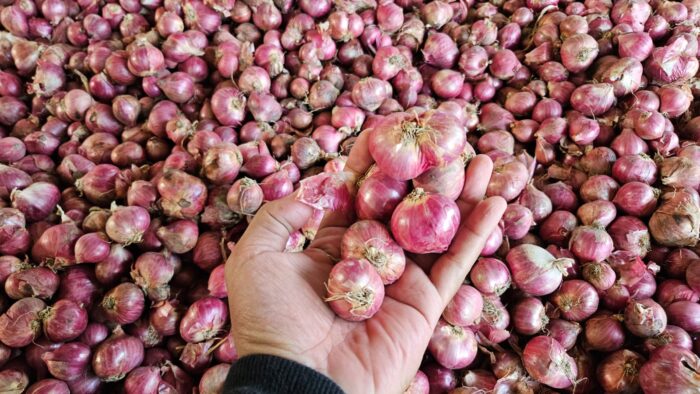
Indonesian shallots (Allium cepa var. aggregatum) are widely appreciated for their reddish-purple skin, strong aroma, and balanced flavor profile. Unlike common onions, shallots have a more delicate texture and a sweeter taste after cooking, making them an essential ingredient in many Asian and international recipes.
Beyond culinary applications, shallots are also processed into value-added products such as fried shallots, seasoning powders, spice blends, frozen ingredients, and dehydrated vegetables. These processed products extend shelf life while providing additional business opportunities for producers and exporters.
The consistent market demand, combined with relatively high commercial value, makes shallots one of the most profitable horticultural crops cultivated throughout Indonesia.
Indonesia as a Leading Shallot Producer
Indonesia is recognized as one of the world’s largest shallot-producing countries. Favorable tropical climates, fertile agricultural land, and generations of farming expertise have enabled the country to maintain high production levels throughout the year.
The largest shallot production center is located in Brebes Regency, Central Java, which is widely regarded as the heart of Indonesia’s shallot industry. Brebes has earned a strong reputation for producing high-quality shallots thanks to its fertile soil, suitable climate, experienced farmers, and well-established agricultural ecosystem. Across Indonesia, the name “Brebes Shallots” has become synonymous with premium quality and reliable supply.
In addition to Brebes, several other important production regions contribute significantly to national output. These include Nganjuk, Situbondo, and Kendal in Java, as well as Sumenep in Madura and Palu in Central Sulawesi. Each region produces shallots with unique characteristics influenced by local soil conditions, climate, and cultivation practices.
The existence of multiple production centers helps maintain a stable year-round supply while minimizing the impact of seasonal fluctuations. This diversified production network enables Indonesia to consistently meet domestic demand while expanding its export opportunities.
Factors That Determine Shallot Quality
Producing premium-quality shallots requires more than selecting the right variety. Quality is influenced by every stage of cultivation, from soil preparation and seed selection to harvesting and post-harvest handling.
Well-drained fertile soil, sufficient sunlight, proper irrigation, and balanced fertilization all contribute to healthy bulb development. Farmers also implement integrated pest and disease management to maintain crop quality while maximizing productivity.
Equally important is the post-harvest curing process. Proper drying reduces moisture content, improves storage life, minimizes spoilage during transportation, and helps preserve the natural appearance and flavor of the bulbs. These quality control measures are essential for supplying both domestic distributors and international buyers.
Nutritional and Culinary Benefits of Shallots
Shallots are valued not only for their flavor but also for their nutritional content. They contain vitamins, minerals, antioxidants, flavonoids, and natural sulfur compounds that contribute to a balanced diet.
Scientific studies suggest that the antioxidants found in shallots may help protect the body from oxidative stress. They are also associated with supporting cardiovascular health, maintaining immune function, and promoting overall wellness when consumed as part of a healthy diet.
In Indonesia, shallots have also been traditionally used in home remedies for generations. Although these traditional applications remain popular, they should complement—not replace—professional medical advice when necessary.
Business Opportunities in the Shallot Industry
The shallot industry offers significant business opportunities across the entire agricultural supply chain. Demand comes from wholesalers, retailers, supermarkets, restaurants, hotels, catering businesses, food manufacturers, and export markets.
As global consumers increasingly seek fresh and natural agricultural products, Indonesian shallot producers continue to expand their market reach through modern distribution systems and strategic partnerships. Reliable logistics, quality assurance, and sustainable farming practices have become key competitive advantages.
In addition to fresh shallots, many producers have diversified into processed products such as premium fried shallots, peeled shallots, frozen sliced shallots, and shallot powder. These value-added products create additional revenue streams while meeting the evolving needs of food manufacturers and international buyers.
Challenges in Shallot Production
Despite its promising market potential, shallot cultivation also faces several challenges. Climate variability remains one of the primary concerns, as excessive rainfall or prolonged drought can affect crop yields and increase the risk of pest and disease outbreaks.
Market price fluctuations also present challenges for farmers. During peak harvest seasons, increased supply may lead to lower prices, while production shortages can drive prices upward. Effective supply chain management, proper storage facilities, and efficient distribution systems are therefore essential to maintaining market stability.
The adoption of modern agricultural technologies, certified seed varieties, precision farming techniques, and continuous farmer training plays a crucial role in improving productivity and ensuring sustainable production for future generations.
Choosing a Reliable Indonesian Shallot Supplier
Selecting a trusted shallot supplier is essential for businesses seeking consistent quality and dependable deliveries. Professional producers implement strict quality control procedures, including grading, sorting, moisture control, and secure packaging to ensure that every shipment meets customer expectations.
Reliable suppliers are also capable of fulfilling large-volume orders while maintaining consistent product quality throughout the year. Strong partnerships with local farmers, efficient logistics management, and extensive industry experience enable producers to serve both domestic and international markets with confidence.
For importers, food manufacturers, distributors, and retailers, working with an experienced Indonesian shallot supplier provides access to premium agricultural products backed by sustainable farming practices and reliable supply chains.
Indonesian shallots are among the country’s most valuable horticultural commodities, playing a vital role in agriculture, food production, and international trade. Strong domestic demand, expanding export opportunities, and continuous improvements in farming practices have positioned Indonesia as one of the world’s leading shallot producers.
Brebes remains the nation’s primary production center, supported by other major growing regions such as Nganjuk, Situbondo, Kendal, Sumenep, and Palu. Together, these agricultural regions contribute to a stable supply of high-quality shallots for domestic consumption and international markets.
With sustainable cultivation methods, modern post-harvest handling, and a commitment to quality, Indonesian shallot producers are well-positioned to meet the growing global demand for premium agricultural products while strengthening Indonesia’s reputation as a trusted supplier in the international horticultural industry.