Palm Sugar, A Natural Sweetener with Indonesia’s Authentic Flavor
Amid the growing trend toward healthier lifestyles, palm sugar has gained popularity as a natural alternative sweetener. This distinctive Indonesian agricultural product has been used for centuries and remains an essential ingredient in many traditional foods and beverages.
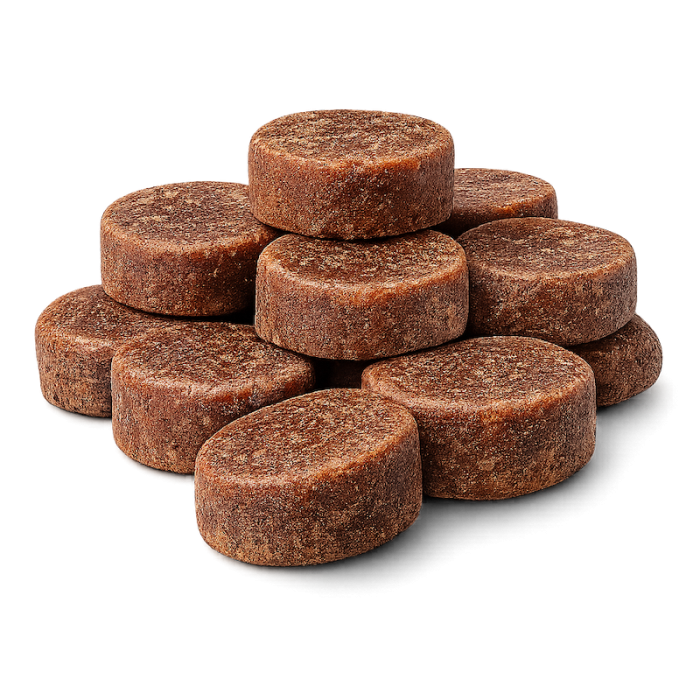
Palm sugar is produced from the sap of the sugar palm tree, which is carefully cooked until it thickens and is then molded into various forms. Much of the production process is still carried out traditionally by rural communities. Although simple in nature, the process requires specialized skills to produce high-quality palm sugar.
One of the key advantages of palm sugar is its distinctive natural caramel aroma. Unlike refined white sugar, which offers a predominantly sweet taste, palm sugar provides a richer and more complex flavor profile. This unique characteristic makes it a preferred ingredient among chefs and food manufacturers seeking authentic and distinctive flavors.
Indonesia is home to several renowned palm sugar-producing regions, including West Java, Central Java, West Sumatra, South Sulawesi, and Nusa Tenggara. Each region offers unique flavor characteristics influenced by local environmental conditions and the varieties of sugar palm trees cultivated.
In recent years, international demand for palm sugar has increased significantly. Consumers worldwide are increasingly seeking natural sweeteners that undergo minimal processing and originate from sustainable sources. Indonesian palm sugar has become one of the most sought-after options due to its consistent quality and authentic taste.
Beyond its traditional use as a sweetener for local beverages, palm sugar is now widely incorporated into modern food products. The coffee industry utilizes palm sugar as a complement to specialty coffee beverages, while the bakery industry values it for the unique aroma and flavor it brings to cakes, pastries, and breads.
From a sustainability perspective, sugar palm cultivation offers substantial environmental benefits. Sugar palm trees have strong root systems that help stabilize soil and reduce the risk of erosion. Furthermore, these trees can thrive in hilly regions with relatively low maintenance requirements.
For rural communities, palm sugar production serves as an important source of income. Many families depend on sap harvesting and palm sugar processing as their primary livelihood. As market demand continues to grow, opportunities for expanding the palm sugar industry are becoming increasingly promising.
Through product innovation, quality improvement, and broader market access, Indonesian palm sugar has significant potential to become one of the country’s leading agricultural export commodities. More than just a natural sweetener, palm sugar represents Indonesia’s rich cultural heritage, traditional craftsmanship, and agricultural excellence.